Evidence-backed review

CeraVe Acne Foaming Cream Cleanser 4% Benzoyl Peroxide and CeraVe Acne Foaming Cream Wash 10% Benzoyl Peroxide

  • 54/100
  • Medium Confidence
  • 6 sources

Based on the available evidence from a dermatologist's analysis, the CeraVe A.

Updated Aug 16, 2026

Wait

Buy if Individuals seeking effective acne treatment with benzoyl peroxide

Medium evidence confidence · 54/100
Compare alternatives in Skincare

CeraVe Acne Foaming Cream Cleanser 4% Benzoyl Peroxide and CeraVe Acne Foaming Cream Wash 10% Benzoyl Peroxide – Cover Image

CeraVe

CeraVe Acne Foaming Cream Cleanser 4% Benzoyl Peroxide and CeraVe Acne Foaming Cream Wash 10% Benzoyl Peroxide

Skincare

Reviewed

16 claims checked across 4 evidence categories

Claims checked: 16 · Verified sources: 6 · Evidence categories: 4 · Open questions: 3 · Medium evidence confidence · 54/100

  • Well supported
  • Mixed evidence
  • Limited evidence
  • Important caveat

Evidence checklist

We check the product questions most likely to affect a buying decision. Open any item to see the supporting sources, agreement, and limitations.

Performance & outcomes 6 claims checked

Extreme Benzene Levels from Valisure Still Show Low Cancer RiskLimited evidenceWhat we still need: Even Valisure's reported extreme benzene levels, such as 1,200 times the EPA threshold from a product heated to 70° C, would result in an increased cancer risk of only one additional cancer in 7,900 people after 78 years of continuous inhalation.1 source

Even Valisure's reported extreme benzene levels, such as 1,200 times the EPA threshold from a product heated to 70° C, would result in an increased cancer risk of only one additional cancer in 7,900 people after 78 years of continuous inhalation.

Moderate agreement · 1 source supports

FDA Warns Against Unvalidated Third-Party TestingLimited evidenceWhat we still need: The FDA has warned that third-party labs using unvalidated testing methods can produce inaccurate results and report much higher contaminant levels than what is actually present.1 source

The FDA has warned that third-party labs using unvalidated testing methods can produce inaccurate results and report much higher contaminant levels than what is actually present.

Moderate agreement · 1 source supports

The cleanser can noticeably reduce inflamed acne and calm active breakouts withiLimited evidenceWhat we still need: The cleanser can noticeably reduce inflamed acne and calm active breakouts within weeks.1 source

The cleanser can noticeably reduce inflamed acne and calm active breakouts within weeks.

Moderate agreement · 1 source supports

The 10% wash appears to give faster results for some users but is viewed as harsLimited evidenceWhat we still need: The 10% wash appears to give faster results for some users but is viewed as harsher than the 4% cleanser.1 source

The 10% wash appears to give faster results for some users but is viewed as harsher than the 4% cleanser.

Moderate agreement · 1 source supports

The 4% benzoyl peroxide cleanser is repeatedly framed as effective for acne whilLimited evidenceWhat we still need: The 4% benzoyl peroxide cleanser is repeatedly framed as effective for acne while being gentler and less drying than harsher acne washes.1 source

The 4% benzoyl peroxide cleanser is repeatedly framed as effective for acne while being gentler and less drying than harsher acne washes.

Moderate agreement · 1 source supports

The 4% cleanser appears more often in best-of lists than the 10% wash.Limited evidenceWhat we still need: The 4% cleanser appears more often in best-of lists than the 10% wash.1 source

The 4% cleanser appears more often in best-of lists than the 10% wash.

Moderate agreement · 1 source supports

Quality & reliability 1 claim checked

Many long-term users find the 4% version tolerable and less drying than expectedLimited evidenceWhat we still need: Many long-term users find the 4% version tolerable and less drying than expected for a benzoyl peroxide product.1 source

Many long-term users find the 4% version tolerable and less drying than expected for a benzoyl peroxide product.

Moderate agreement · 1 source supports

Care, support & constraints 4 claims checked

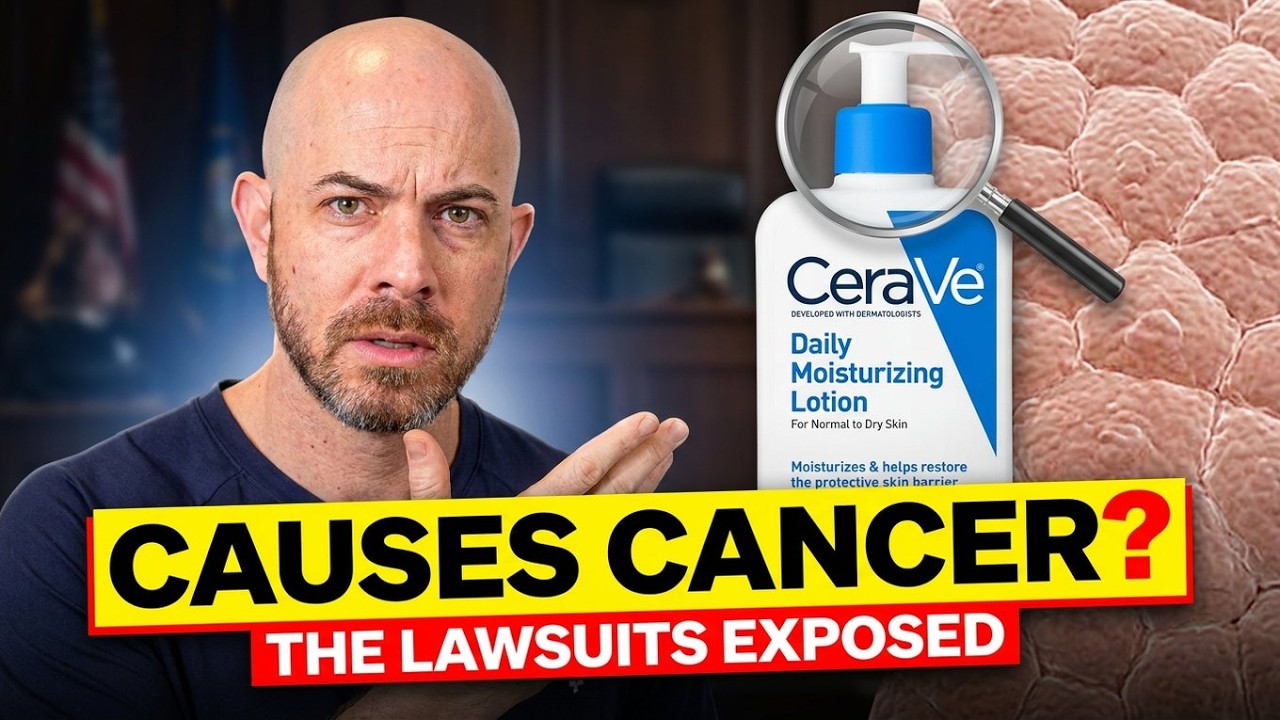
CeraVe Cancer Lawsuits Are MisleadingLimited evidenceWhat we still need: Viral headlines claim CeraVe products cause cancer, but the lawsuits are class actions against only two specific benzoyl peroxide products (4% and 10% versions) for economic loss, not personal injury or cancer claims.1 source

Viral headlines claim CeraVe products cause cancer, but the lawsuits are class actions against only two specific benzoyl peroxide products (4% and 10% versions) for economic loss, not personal injury or cancer claims.

Moderate agreement · 1 source supports

Benzoyl Peroxide Degradation to BenzeneLimited evidenceWhat we still need: The underlying chemistry is real; benzoyl peroxide can break down into benzene, which is classified as a Group 1 human carcinogen linked to various cancers.1 source

The underlying chemistry is real; benzoyl peroxide can break down into benzene, which is classified as a Group 1 human carcinogen linked to various cancers.

Moderate agreement · 1 source supports

Context of "Group 1 Carcinogen"Limited evidenceWhat we still need: Being a "Group 1 human carcinogen" does not mean any amount will cause cancer; it indicates sufficient evidence of increased cancer risk from high-level, prolonged occupational exposure.1 source

Being a "Group 1 human carcinogen" does not mean any amount will cause cancer; it indicates sufficient evidence of increased cancer risk from high-level, prolonged occupational exposure.

Moderate agreement · 1 source supports

FDA Confirms Safety of Most Benzoyl Peroxide ProductsLimited evidenceWhat we still need: The FDA's validated testing of 95 benzoyl peroxide acne products found over 90% had undetectable or extremely low benzene levels, with a very low cancer risk even with decades of daily use. No CeraVe products were among the six recalled.1 source

The FDA's validated testing of 95 benzoyl peroxide acne products found over 90% had undetectable or extremely low benzene levels, with a very low cancer risk even with decades of daily use. No CeraVe products were among the six recalled.

Moderate agreement · 1 source supports

Other checked claims 5 claims checked

Valisure's Testing Used Unrealistic Extreme HeatLimited evidenceWhat we still need: The private lab Valisure used an "accelerated thermal degradation study" heating products up to 70° C (158° F), conditions far exceeding normal storage, which led to exaggerated benzene levels and misrepresented typical bathroom temperatures.1 source

The private lab Valisure used an "accelerated thermal degradation study" heating products up to 70° C (158° F), conditions far exceeding normal storage, which led to exaggerated benzene levels and misrepresented typical bathroom temperatures.

Moderate agreement · 1 source supports

Debate on Benzene Formation at Room TemperatureLimited evidenceWhat we still need: Peer-reviewed data suggests about 34% of products tested showed elevated benzene even at room temperature, indicating the science is genuinely contested on whether the reaction can occur under normal conditions.1 source

Peer-reviewed data suggests about 34% of products tested showed elevated benzene even at room temperature, indicating the science is genuinely contested on whether the reaction can occur under normal conditions.

Moderate agreement · 1 source supports

A meaningful subset experiences irritation, burning, redness, or rash and stopsLimited evidenceWhat we still need: A meaningful subset experiences irritation, burning, redness, or rash and stops using it.1 source

A meaningful subset experiences irritation, burning, redness, or rash and stops using it.

Moderate agreement · 1 source supports

Benzoyl peroxide staining is a practical downside that owners repeatedly mentionLimited evidenceWhat we still need: Benzoyl peroxide staining is a practical downside that owners repeatedly mention.1 source

Benzoyl peroxide staining is a practical downside that owners repeatedly mention.

Moderate agreement · 1 source supports

The 10% benzoyl peroxide wash is positioned as a more heavy-duty option for acneLimited evidenceWhat we still need: The 10% benzoyl peroxide wash is positioned as a more heavy-duty option for acne treatment.1 source

The 10% benzoyl peroxide wash is positioned as a more heavy-duty option for acne treatment.

Moderate agreement · 1 source supports

Open questions

Effectiveness of 4% vs 10% Benzoyl Peroxide formulation.

Limited evidence · What we still need: Seek reviews comparing efficacy of different concentrations.

Overall product performance, texture, and suitability for various skin types.

Limited evidence · What we still need: Look for comprehensive product reviews.

Long-term user experience and potential for irritation with daily use.

Limited evidence · What we still need: Consult long-term user testimonials or dermatologists.

Watch it in context

Video reviews and demonstrations that help validate the checked claims.

Source coverage and evidence history

Sources

Unknown · 3 · Editorial review · 2 · Creator review · 1

Evidence trail

Source timeline for reference.

No evidence items yet.

Compare options

How this report was built

Ask labels follow ask-claim-status-v1. How Ask labels a claim →

Full editorial verdict

Based on the available evidence from a dermatologist's analysis, the CeraVe A…

Raw evidence record