Evidence-backed review

Fitbit Air

  • 63/100
  • Medium Confidence
  • 24 sources

The Fitbit Air presents a compelling value proposition, particularly when com.

Updated Sep 3, 2026

Wait

Buy if Budget-conscious fitness enthusiasts

Wait or skip if Long-term durability and sensor performance beyond one month of use

Medium evidence confidence · 63/100
Compare alternatives in Watches

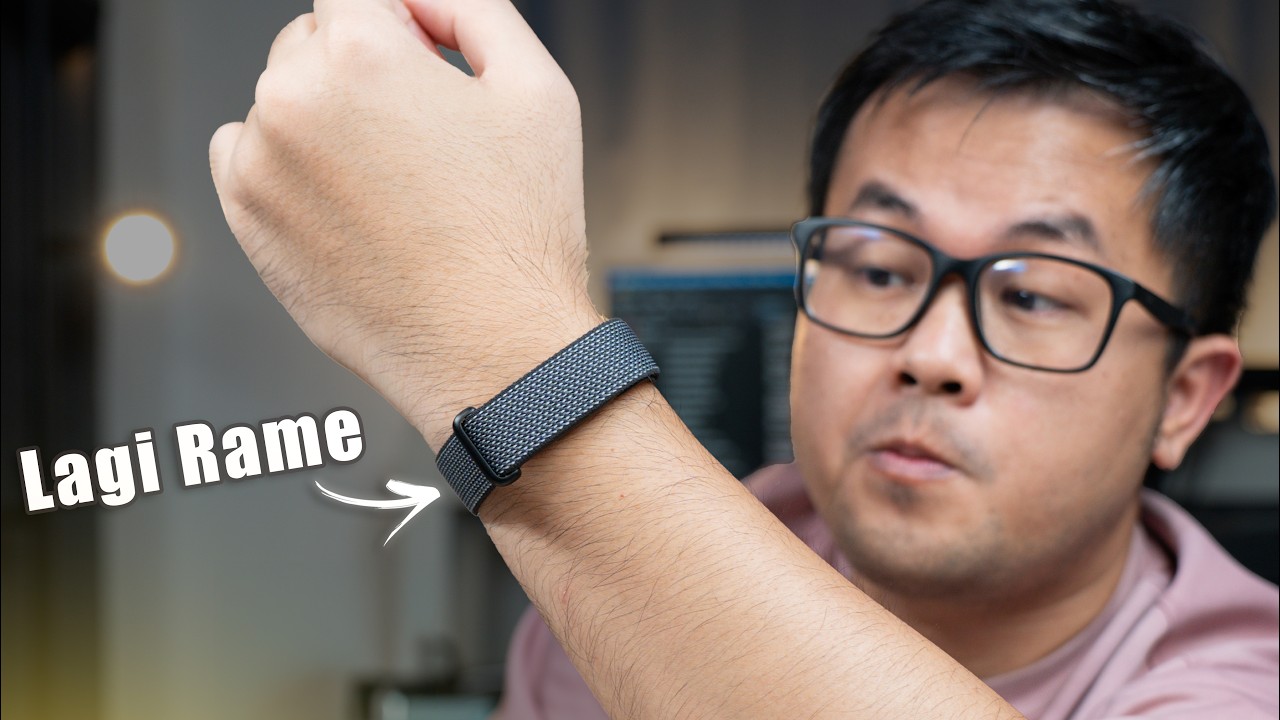
Fitbit Air – Cover Image

Fitbit

Fitbit Air

Watches

Reviewed

50 claims checked across 6 evidence categories

Claims checked: 50 · Verified sources: 23 · Evidence categories: 6 · Open questions: 2 · Medium evidence confidence · 63/100

  • Well supported
  • Mixed evidence
  • Limited evidence
  • Important caveat

Evidence checklist

We check the product questions most likely to affect a buying decision. Open any item to see the supporting sources, agreement, and limitations.

Performance & outcomes 10 claims checked

Fitbit Air battery life and charging speedLimited evidenceImportant caveatWhy it matters: This is a decision-relevant limitation.1 source

The Fitbit Air offers approximately one week of battery life, with a full charge taking about 90 minutes. A quick 5-minute charge can provide enough power for a full day of use.

Moderate agreement · 1 source supports

Whoop allows continuous data collection while charging on the wrist.Limited evidenceWhat we still need: Whoop's design enables it to charge directly on the wrist using a battery pack, ensuring uninterrupted data collection, a convenience not offered by Fitbit Air.1 source

Whoop's design enables it to charge directly on the wrist using a battery pack, ensuring uninterrupted data collection, a convenience not offered by Fitbit Air.

Moderate agreement · 1 source supports

Whoop generally offers a longer battery life compared to Fitbit Air.Limited evidenceWhat we still need: Based on testing, Whoop provided around 10 days of battery life, which is longer than Fitbit Air's 7-8 days.1 source

Based on testing, Whoop provided around 10 days of battery life, which is longer than Fitbit Air's 7-8 days.

Moderate agreement · 1 source supports

Accurate 7-day battery life, with quick chargingLimited evidenceWhat we still need: The Fitbit Air's claimed 7-day battery life was confirmed as accurate or potentially understated through real-world testing. It also features fast charging, capable of reaching full charge in 90 minutes or providing a day's power in just 5 minutes.1 source

The Fitbit Air's claimed 7-day battery life was confirmed as accurate or potentially understated through real-world testing. It also features fast charging, capable of reaching full charge in 90 minutes or providing a day's power in just 5 minutes.

Moderate agreement · 1 source supports

WHOOP has better battery life and more versatile wearing options.Limited evidenceWhat we still need: The battery is better on the Whoop, and it can be worn on basically every part of the body, offering more flexibility in placement.1 source

The battery is better on the Whoop, and it can be worn on basically every part of the body, offering more flexibility in placement.

Moderate agreement · 1 source supports

The Fitbit Air offers comparable accuracy to the Whoop strap for heart rate and sleep tracking.Limited evidenceWhat we still need: Based on expert testing by 'The Quantified Scientist,' Pixel watches and the Whoop strap show similar accuracy for heart rate and sleep tracking. Given that the limiting factor in wearables is algorithms, it is inferred that the Fitbit Air will perform similarly to WHOOP.1 source

Based on expert testing by 'The Quantified Scientist,' Pixel watches and the Whoop strap show similar accuracy for heart rate and sleep tracking. Given that the limiting factor in wearables is algorithms, it is inferred that the Fitbit Air will perform similarly to WHOOP.

Moderate agreement · 1 source supports

One-Week Battery Life RatingLimited evidenceWhat we still need: The Fitbit Air is officially rated by the manufacturer to have a battery life of one week, offering significantly longer usage compared to many smartwatches.1 source

The Fitbit Air is officially rated by the manufacturer to have a battery life of one week, offering significantly longer usage compared to many smartwatches.

Moderate agreement · 1 source supports

Heart Rate Accuracy for Running and RowingLimited evidenceWhat we still need: The Fitbit Air provides generally good heart rate data for running, comparable to an Apple Watch and a chest strap, though it can have initial inaccuracies. For rowing, it is good, but not great.1 source

The Fitbit Air provides generally good heart rate data for running, comparable to an Apple Watch and a chest strap, though it can have initial inaccuracies. For rowing, it is good, but not great.

Moderate agreement · 1 source supports

Heart Rate Accuracy for SwimmingLimited evidenceWhat we still need: The Fitbit Air delivers very accurate heart rate tracking during swimming, performing better than the Apple Watch Ultra 3 and closely matching FORM Swim Goggles.1 source

The Fitbit Air delivers very accurate heart rate tracking during swimming, performing better than the Apple Watch Ultra 3 and closely matching FORM Swim Goggles.

Moderate agreement · 1 source supports

Phone GPS Sufficient for Casual UsersLimited evidenceWhat we still need: While relying on a phone's GPS means less accuracy than a dedicated sports watch, it is 'good enough' for casual activities like walks, runs, or bike rides, but not ideal for serious training.1 source

While relying on a phone's GPS means less accuracy than a dedicated sports watch, it is 'good enough' for casual activities like walks, runs, or bike rides, but not ideal for serious training.

Moderate agreement · 1 source supports

Everyday use & fit 10 claims checked

Fitbit Air is lighter and more compact than Whoop.Limited evidenceWhat we still need: Weighing only 13 grams, the Fitbit Air is much lighter and smaller than the 28-gram Whoop, making it feel more elegant on the wrist.1 source

Weighing only 13 grams, the Fitbit Air is much lighter and smaller than the 28-gram Whoop, making it feel more elegant on the wrist.

Moderate agreement · 1 source supports

Google Health app is rebranded Fitbit app and central data hubLimited evidenceWhat we still need: The Google Health app is the rebranded and publicly released version of the Fitbit app, serving as the central hub where all data from the Fitbit Air and other connected devices is collected and displayed.1 source

The Google Health app is the rebranded and publicly released version of the Fitbit app, serving as the central hub where all data from the Fitbit Air and other connected devices is collected and displayed.

Moderate agreement · 1 source supports

Fitbit Air's tracking capabilities and expected accuracyLimited evidenceWhat we still need: The Fitbit Air tracks heart rate, calories burned, blood oxygen saturation, HRV during sleep, skin temperature, and training load. Its accuracy is expected to be slightly better than the Fitbit Charge 6 but less than the Pixel Watch due to sensor size.1 source

The Fitbit Air tracks heart rate, calories burned, blood oxygen saturation, HRV during sleep, skin temperature, and training load. Its accuracy is expected to be slightly better than the Fitbit Charge 6 but less than the Pixel Watch due to sensor size.

Moderate agreement · 1 source supports

Fitbit Air's automatic workout sensing and strength training limitationsLimited evidenceWhat we still need: The Fitbit Air features automatic workout sensing, capable of identifying activities and learning user patterns over time. However, it lacks automatic rep counting for strength training, requiring manual input via the Google Health Coach.1 source

The Fitbit Air features automatic workout sensing, capable of identifying activities and learning user patterns over time. However, it lacks automatic rep counting for strength training, requiring manual input via the Google Health Coach.

Moderate agreement · 1 source supports

Google's sleep tracking accuracy improved by 15% through algorithmsLimited evidenceWhat we still need: Google claims a 15% improvement in sleep tracking accuracy for sleep stages and stats, a benefit that applies to the Fitbit Air and all Google devices through app-level algorithmic updates.1 source

Google claims a 15% improvement in sleep tracking accuracy for sleep stages and stats, a benefit that applies to the Fitbit Air and all Google devices through app-level algorithmic updates.

Moderate agreement · 1 source supports

Google Health app user interface and premium AI featuresLimited evidenceWhat we still need: The Google Health app features a well-organized and customizable interface with key stats and a 48-hour timeline. Its premium version provides AI insights and coaching, offering detailed analysis, personalized suggestions, and training plans.1 source

The Google Health app features a well-organized and customizable interface with key stats and a 48-hour timeline. Its premium version provides AI insights and coaching, offering detailed analysis, personalized suggestions, and training plans.

Moderate agreement · 1 source supports

Google Health app's multi-device data managementLimited evidenceWhat we still need: The Google Health app effectively manages data from multiple devices by allowing users to prioritize specific trackers for different metrics. It also respects and honors the original values from third-party devices without reinterpreting them.1 source

The Google Health app effectively manages data from multiple devices by allowing users to prioritize specific trackers for different metrics. It also respects and honors the original values from third-party devices without reinterpreting them.

Moderate agreement · 1 source supports

Extremely lightweight at 12 grams, leading to high wearing comfortLimited evidenceWhat we still need: The Fitbit Air weighs a mere 12 grams, which is significantly lighter than smartwatches like the Apple Watch, contributing to its exceptional comfort where the reviewer often forgot he was wearing it.1 source

The Fitbit Air weighs a mere 12 grams, which is significantly lighter than smartwatches like the Apple Watch, contributing to its exceptional comfort where the reviewer often forgot he was wearing it.

Moderate agreement · 1 source supports

Fitbit Air is lighter and less bulky than the Whoop band.Limited evidenceWhat we still need: The Fitbit Ace literally weighs half of the Whoop band, and visually, the Whoop appears almost double the size of the Fitbit Air, indicating a more discreet and comfortable design for the Fitbit Air.1 source

The Fitbit Ace literally weighs half of the Whoop band, and visually, the Whoop appears almost double the size of the Fitbit Air, indicating a more discreet and comfortable design for the Fitbit Air.

Moderate agreement · 1 source supports

Auto Workout Tracking with Manual ControlLimited evidenceWhat we still need: The device features automatic workout tracking, similar to Whoop, and allows users to manually start/end workouts or correct activity labels through the app.1 source

The device features automatic workout tracking, similar to Whoop, and allows users to manually start/end workouts or correct activity labels through the app.

Moderate agreement · 1 source supports

Quality & reliability 5 claims checked

Whoop offers more versatile wearing options and a more secure binding mechanism.Limited evidenceWhat we still need: Whoop provides options to wear the tracker on the bicep or with specific apparel, and its binding mechanism is a more secure lock compared to Fitbit's standard adhesive strap.1 source

Whoop provides options to wear the tracker on the bicep or with specific apparel, and its binding mechanism is a more secure lock compared to Fitbit's standard adhesive strap.

Moderate agreement · 1 source supports

Screenless design for focused trackingLimited evidenceWhat we still need: The Fitbit Air features a screenless, small, and light design, focusing purely on health and activity tracking without distractions, intended for continuous wear.1 source

The Fitbit Air features a screenless, small, and light design, focusing purely on health and activity tracking without distractions, intended for continuous wear.

Moderate agreement · 1 source supports

More comparable to Whoop than smartwatchesLimited evidenceWhat we still need: The Fitbit Air's design and concept, being a screenless fitness tracker for 24-hour wear and health tracking focus, make it more akin to the Whoop band than conventional smartwatches.1 source

The Fitbit Air's design and concept, being a screenless fitness tracker for 24-hour wear and health tracking focus, make it more akin to the Whoop band than conventional smartwatches.

Moderate agreement · 1 source supports

Water resistant up to 50 metersLimited evidenceWhat we still need: The Fitbit Air boasts a water resistance rating of up to 50 meters, ensuring it is safe for activities such as showering and swimming.1 source

The Fitbit Air boasts a water resistance rating of up to 50 meters, ensuring it is safe for activities such as showering and swimming.

Moderate agreement · 1 source supports

Comfortable with Swappable Band OptionsLimited evidenceWhat we still need: The Fitbit Air is described as incredibly comfortable to wear, to the point of being forgettable, and offers three main strap designs (Performance, Active, Elevated) that are easily swappable.1 source

The Fitbit Air is described as incredibly comfortable to wear, to the point of being forgettable, and offers three main strap designs (Performance, Active, Elevated) that are easily swappable.

Moderate agreement · 1 source supports

Value & ownership 10 claims checked

Fitbit Air is significantly more affordable than Whoop with a one-time purchase.Limited evidenceWhat we still need: The Fitbit Air is considerably cheaper than Whoop, which requires an expensive annual subscription, making Fitbit a more economical choice.1 source

The Fitbit Air is considerably cheaper than Whoop, which requires an expensive annual subscription, making Fitbit a more economical choice.

Moderate agreement · 1 source supports

Fitbit Air costs $99 with optional premium subscriptionLimited evidenceWhat we still need: The Fitbit Air is priced at $99, includes 3 months of Google Health Premium, and offers an optional premium subscription thereafter for $9.99/month or $99/year, but basic functionality does not require a subscription.1 source

The Fitbit Air is priced at $99, includes 3 months of Google Health Premium, and offers an optional premium subscription thereafter for $9.99/month or $99/year, but basic functionality does not require a subscription.

Moderate agreement · 1 source supports

Smaller than Whoop and requires no subscription for core featuresLimited evidenceWhat we still need: Key advantages of the Fitbit Air over the Whoop band include its smaller physical size and the absence of a mandatory subscription for its core functionalities, making it a one-time purchase for basic use.1 source

Key advantages of the Fitbit Air over the Whoop band include its smaller physical size and the absence of a mandatory subscription for its core functionalities, making it a one-time purchase for basic use.

Moderate agreement · 1 source supports

Offers core health tracking features without a premium subscriptionLimited evidenceWhat we still need: Without any subscription, the Fitbit Air provides essential health tracking features, including daily activity metrics (steps, calories, cardio), detailed sleep tracking, and monitoring of heart rate, breathing, and blood oxygen.1 source

Without any subscription, the Fitbit Air provides essential health tracking features, including daily activity metrics (steps, calories, cardio), detailed sleep tracking, and monitoring of heart rate, breathing, and blood oxygen.

Moderate agreement · 1 source supports

Includes Smart Wake vibration alarm and optional AI Coach (premium)Limited evidenceWhat we still need: The Fitbit Air offers a vibration alarm feature, including 'Smart Wake' to optimize wake-up times based on sleep stages. Additionally, it provides an 'Ask Coach' AI feature, powered by Gemini, which delivers personalized health insights and guidance, available through a Google Health Premium subscription.1 source

The Fitbit Air offers a vibration alarm feature, including 'Smart Wake' to optimize wake-up times based on sleep stages. Additionally, it provides an 'Ask Coach' AI feature, powered by Gemini, which delivers personalized health insights and guidance, available through a Google Health Premium subscription.

Moderate agreement · 1 source supports

Fitbit Air offers a significantly cheaper alternative to Whoop.Limited evidenceWhat we still need: The Google Fitbit Air is priced at $99 with an optional subscription, drastically undercutting WHOOP's minimum $200 annual subscription cost, and even individual WHOOP bands are more expensive than the entire Fitbit Air device.1 source

The Google Fitbit Air is priced at $99 with an optional subscription, drastically undercutting WHOOP's minimum $200 annual subscription cost, and even individual WHOOP bands are more expensive than the entire Fitbit Air device.

Moderate agreement · 1 source supports

WHOOP has a history of backtracking on customer promises regarding hardware upgrades.Limited evidenceWhat we still need: WHOOP initially promised free hardware upgrades with subscriptions but later charged a fee for upgrading from 4.0 to 5.0, only reverting this decision after significant user backlash, frustrating their customer base.1 source

WHOOP initially promised free hardware upgrades with subscriptions but later charged a fee for upgrading from 4.0 to 5.0, only reverting this decision after significant user backlash, frustrating their customer base.

Moderate agreement · 1 source supports

The optional Fitbit Air Premium subscription offers non-essential AI analysis.Limited evidenceWhat we still need: The reviewer, based on their experience with the Pixel Watch 4 and new Fitbit app, believes the Fitbit Air Premium features, which are mostly AI analysis of raw data, are not necessary, emphasizing the importance of raw data over AI insights.1 source

The reviewer, based on their experience with the Pixel Watch 4 and new Fitbit app, believes the Fitbit Air Premium features, which are mostly AI analysis of raw data, are not necessary, emphasizing the importance of raw data over AI insights.

Moderate agreement · 1 source supports

Affordable Price with No Required SubscriptionLimited evidenceWhat we still need: The Fitbit Air is available for $99 and does not require a subscription to access core features and data, with an optional premium subscription for advanced AI insights.1 source

The Fitbit Air is available for $99 and does not require a subscription to access core features and data, with an optional premium subscription for advanced AI insights.

Moderate agreement · 1 source supports

Google Health App Offers Free Data AccessLimited evidenceWhat we still need: The redesigned Google Health app allows users to access all their core data from the Fitbit Air without needing a paid subscription, which is a significant advantage over some competitors.1 source

The redesigned Google Health app allows users to access all their core data from the Fitbit Air without needing a paid subscription, which is a significant advantage over some competitors.

Moderate agreement · 1 source supports

Care, support & constraints 2 claims checked

Fitbit Air's design, comfort, and Pixel Watch compatibilityLimited evidenceWhat we still need: The Fitbit Air features a small, lightweight, and minimalist band design, which contributes to extreme comfort, especially for sleep tracking. It can also be worn alongside a Pixel Watch, with data merged in the Google Health app.1 source

The Fitbit Air features a small, lightweight, and minimalist band design, which contributes to extreme comfort, especially for sleep tracking. It can also be worn alongside a Pixel Watch, with data merged in the Google Health app.

Moderate agreement · 1 source supports

Works with Both iPhone and AndroidLimited evidenceWhat we still need: The Fitbit Air is compatible with both iOS and Android devices, and the Google Health app is available on both platforms.1 source

The Fitbit Air is compatible with both iOS and Android devices, and the Google Health app is available on both platforms.

Moderate agreement · 1 source supports

Other checked claims 13 claims checked

Fitbit Air charges significantly faster than Whoop.Limited evidenceWhat we still need: The Fitbit Air can achieve a full charge in approximately 1 hour, which is considerably faster than the 2-2.5 hours required for Whoop.1 source

The Fitbit Air can achieve a full charge in approximately 1 hour, which is considerably faster than the 2-2.5 hours required for Whoop.

Moderate agreement · 1 source supports

Fitbit Air offers more accurate step counting and live tracking.Limited evidenceWhat we still need: A manual 1000-step test showed Fitbit Air to be more accurate, recording 1004 steps compared to Whoop's 913. Fitbit also provides live step count updates.1 source

A manual 1000-step test showed Fitbit Air to be more accurate, recording 1004 steps compared to Whoop's 913. Fitbit also provides live step count updates.

Moderate agreement · 1 source supports

Whoop features superior automatic activity tracking and more specific detection.Limited evidenceWhat we still need: Whoop's auto-tracking detects activities almost immediately and identifies them more specifically (e.g., badminton as pickleball), whereas Fitbit Air experiences delays and often requires manual activity selection.1 source

Whoop's auto-tracking detects activities almost immediately and identifies them more specifically (e.g., badminton as pickleball), whereas Fitbit Air experiences delays and often requires manual activity selection.

Moderate agreement · 1 source supports

Whoop can inaccurately detect workouts during passive activities, unlike Fitbit Air.Limited evidenceWhat we still need: Whoop was observed to falsely detect multiple workout sessions while the reviewer was sleeping on a bus, a significant and unacceptable anomaly not present in Fitbit Air's tracking.1 source

Whoop was observed to falsely detect multiple workout sessions while the reviewer was sleeping on a bus, a significant and unacceptable anomaly not present in Fitbit Air's tracking.

Moderate agreement · 1 source supports

Fitbit Air provides more accurate sleep tracking and nap detection.Limited evidenceWhat we still need: Fitbit Air offers more precise sleep tracking, especially in representing awake time, and records naps shorter than one hour, features where Whoop often falls short.1 source

Fitbit Air offers more precise sleep tracking, especially in representing awake time, and records naps shorter than one hour, features where Whoop often falls short.

Moderate agreement · 1 source supports

Fitbit Air is a screenless health and activity tracker designed to compete with Whoop.Limited evidenceWhat we still need: The Fitbit Air is positioned as Google's new screenless health and activity tracker, intended to go 'head-to-head' with devices like Whoop.1 source

The Fitbit Air is positioned as Google's new screenless health and activity tracker, intended to go 'head-to-head' with devices like Whoop.

Moderate agreement · 1 source supports

Not a smartwatch; lacks typical smartwatch featuresLimited evidenceWhat we still need: The Fitbit Air is not intended to compete with smartwatches like the Apple Watch, as it lacks a display, notifications, call functions, and music control, positioning it in a different product category.1 source

The Fitbit Air is not intended to compete with smartwatches like the Apple Watch, as it lacks a display, notifications, call functions, and music control, positioning it in a different product category.

Moderate agreement · 1 source supports

Features automatic activity detection, with a slight delay in notificationLimited evidenceWhat we still need: The device includes an auto-detect feature for activities such as running and walking, which records data immediately, but the notification of the detected activity may appear with a 10-15 minute delay.1 source

The device includes an auto-detect feature for activities such as running and walking, which records data immediately, but the notification of the detected activity may appear with a 10-15 minute delay.

Moderate agreement · 1 source supports

Both Fitbit Air and Whoop track similar health data.Limited evidenceWhat we still need: The reviewer states that the Fitbit Ace and Whoop track basically the same information, suggesting parity in fundamental health data collection.1 source

The reviewer states that the Fitbit Ace and Whoop track basically the same information, suggesting parity in fundamental health data collection.

Moderate agreement · 1 source supports

WHOOP's claims of originality and innovation are questionable.Limited evidenceWhat we still need: The reviewer questions WHOOP's originality by noting Fitbit released the Flex in 2013 before WHOOP's first wearable in 2015, and highlights a lawsuit where WHOOP accused Bevel of copying them, only for Bevel to show evidence of creating the design first.1 source

The reviewer questions WHOOP's originality by noting Fitbit released the Flex in 2013 before WHOOP's first wearable in 2015, and highlights a lawsuit where WHOOP accused Bevel of copying them, only for Bevel to show evidence of creating the design first.

Moderate agreement · 1 source supports

Compact, Screenless DesignLimited evidenceWhat we still need: The Fitbit Air features a tiny, screenless design that makes it much smaller and more discreet than traditional fitness trackers, easily mistaken for a small bracelet.1 source

The Fitbit Air features a tiny, screenless design that makes it much smaller and more discreet than traditional fitness trackers, easily mistaken for a small bracelet.

Moderate agreement · 1 source supports

Comprehensive Health Monitoring (No Built-in GPS or ECG)Limited evidenceWhat we still need: The Fitbit Air tracks heart rate, blood oxygen (SpO2), stress, heart rate variability (HRV), sleep, calories, and includes accelerometers and a temperature sensor. It does not have built-in GPS or ECG, but can use a connected phone's GPS.1 source

The Fitbit Air tracks heart rate, blood oxygen (SpO2), stress, heart rate variability (HRV), sleep, calories, and includes accelerometers and a temperature sensor. It does not have built-in GPS or ECG, but can use a connected phone's GPS.

Moderate agreement · 1 source supports

No Built-in GPSLimited evidenceWhat we still need: The Fitbit Air lacks a built-in GPS and relies on a connected phone for location tracking.1 source

The Fitbit Air lacks a built-in GPS and relies on a connected phone for location tracking.

Moderate agreement · 1 source supports

Open questions

Accuracy of automatic workout sensing across all activity types

Limited evidence · What we still need: Seek reviews with in-depth testing for specific activities relevant to your routine.

Effectiveness and practical value of Google Health Premium's AI coaching and advanced insights

Limited evidence · What we still need: Find reviews specifically evaluating the premium features over time, not just initial impressions.

Watch it in context

Video reviews and demonstrations that help validate the checked claims.

Source coverage and evidence history

Sources

Creator review · 21 · Unknown · 3

Evidence trail

Source timeline for reference.

No evidence items yet.

Comparisons

Whoop

Whoop 5.0

Choose for unique advanced physiological insights, off-body notifications, and on-wrist charging, if budget allows.

Fitbit

Fitbit Charge 6

Opt for a familiar Fitbit experience with a screen for quick glances at stats, GPS, and Google apps.

Apple

Apple Watch SE

Consider for a full smartwatch experience with rich app ecosystem, notifications, and robust fitness tracking.

Compare options

How this report was built

Ask labels follow ask-claim-status-v1. How Ask labels a claim →

Full editorial verdict

The Fitbit Air presents a compelling value proposition, particularly when com…

Raw evidence record