Trustified
Creatine Monohydrate Impurity Lab Test review by Trustified
Lab test · Medium trust · Independent
Evidence-backed review
Based on the available lab test evidence, the purity of creatine monohydrate.
Updated Aug 15, 2026
Skip
Buy if Consumers concerned about creatine impurities
Wait or skip if The safety findings apply broadly to all creatine monohydrate brands on the market.
Limited evidence confidence · 30/100
Multiple Brands
Supplements
Reviewed
10 claims checked across 2 evidence categories
Claims checked: 10 · Verified sources: 1 · Evidence categories: 2 · Open questions: 2 · Limited evidence confidence · 30/100
We check the product questions most likely to affect a buying decision. Open any item to see the supporting sources, agreement, and limitations.
The DHT impurity found in creatine (Dihydrotriazine) is a different compound from Dihydrotestosterone, the hormone associated with hair loss. They share the same acronym but are chemically distinct and unrelated.
Moderate agreement · 1 source supports
According to the US FDA, trace levels of creatinine impurity in supplement-grade creatine are not considered harmful or nephrotoxic for kidneys. Creatinine is a natural breakdown product primarily used to gauge product degradation and quality.
Moderate agreement · 1 source supports
USP limits for creatine impurities consider purity, acceptable consumer safety levels, product quality, reliable testing methods, and adherence to manufacturing standards, making it a robust and safety-focused benchmark. This contrasts with EFSA, which focuses on ideal manufacturing purity.
Moderate agreement · 1 source supports
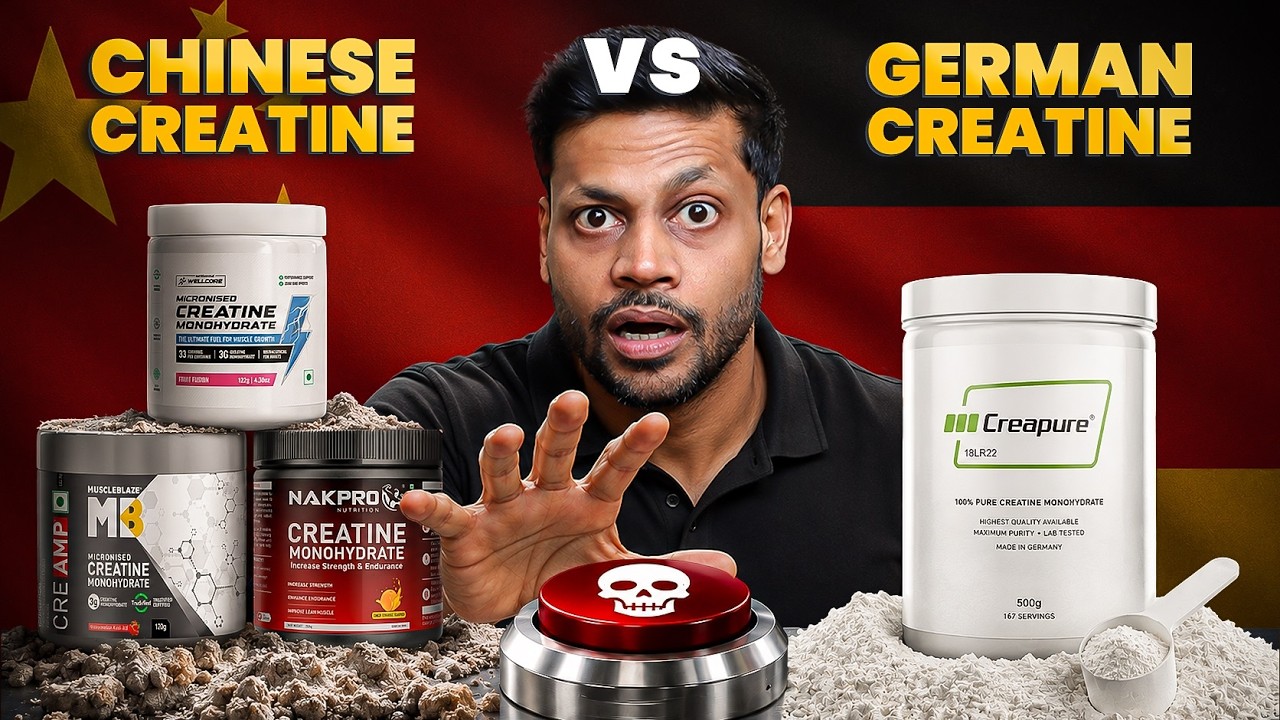
All seven tested creatine products (Naturaltein Crea Boost, MB CREAMP, Wellcore, Asitis, Nakpro, Tata 1mg, Creapure) have DCD levels below 50 PPM, which is well within the USP safe limit of 1000 PPM.
Strong agreement · 3 sources support
Independent lab testing is the best way to verify creatine purity.
Moderate agreement · 1 source supports
Some creatine products have shown contamination or impurity concerns in third-party analyses.
Moderate agreement · 1 source supports
Users generally lack clear, direct experience with this exact impurity lab test product.
Moderate agreement · 1 source supports
The exact product was not found in the retrieved buying guides, best-of lists, or category comparisons.
Moderate agreement · 1 source supports
Creatine monohydrate is the most researched and widely recommended form of creatine in the category.
Moderate agreement · 1 source supports
High-purity creatine products with third-party testing are favored over products with additives or unclear sourcing.
Moderate agreement · 1 source supports
Creatine products are comprehensively tested for all relevant impurities.
Limited evidence · What we still need: Look for lab tests that cover a broader spectrum of potential contaminants beyond DCD, DHT, and Creatinine.
The efficacy or potency of creatine products has been verified by independent lab testing.
Limited evidence · What we still need: Future lab analyses should include testing for actual creatine content and bioavailability.
Video reviews and demonstrations that help validate the checked claims.
Trustified
Creatine Monohydrate Impurity Lab Test review by Trustified
Lab test · Medium trust · Independent
Creator review · 1
Source timeline for reference.
No evidence items yet.
Ask labels follow ask-claim-status-v1. How Ask labels a claim →
Based on the available lab test evidence, the purity of creatine monohydrate…